

glass that turns from clear to frosted
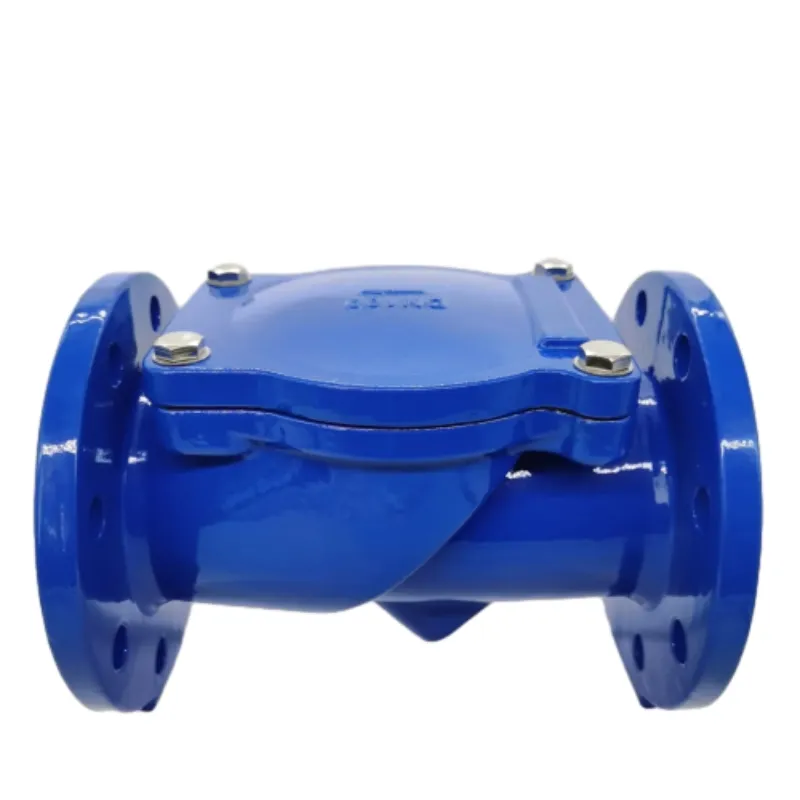
Types of Control Valves Used in Industry Control valves play a vital role in various industrial processes by regulating the flow of fluids, including liquids, gases, and slurries. These devices are essential for ensuring efficient operation in a multitude of applications, such as chemical processing, water treatment, oil and gas, and power generation. The selection of an appropriate type of control valve is crucial for maintaining system performance, ensuring safety, and achieving economic efficiency. This article explores the different types of control valves used in the industry, highlighting their features and applications. 1. Globe Valves Globe valves are one of the most commonly used types of control valves in industry due to their excellent throttling capability. They consist of a spherical body with an internal baffle that allows fluid to flow through a specific path. This design enables precise control over flow rates and pressure drops. Globe valves are particularly advantageous in applications where fine adjustment is necessary. Their robust construction also makes them suitable for high-pressure environments. However, globe valves may have a higher pressure drop compared to other valve types, which can result in energy losses. 2. Ball Valves Ball valves are known for their quick opening and closing capabilities. They utilize a spherical disc—a ball—that rotates within the valve body to control the flow. When the ball is aligned with the flow, the valve is open; when perpendicular, it is closed. Ball valves are often favored in applications requiring rapid shut-off or isolation. They offer low resistance to flow and are suitable for various fluids, including corrosive liquids and gases. However, ball valves are not ideal for throttling applications, as their design does not offer fine flow control. 3. Butterfly Valves types of control valves used in industry Butterfly valves are characterized by a circular disc that rotates around an axis to regulate flow. These valves are lightweight, compact, and economical, making them an attractive option for large diameter pipes. They are highly efficient, providing a low-pressure drop when fully open. Butterfly valves can be used for throttling; however, they are best suited for on/off applications. Their simplicity and versatility make them a common choice in water treatment plants, HVAC systems, and food processing. 4. Gate Valves Gate valves are primarily used for on/off control rather than throttling. They consist of a gate-like mechanism that moves up and down to obstruct or permit flow. Due to their relatively simple design, gate valves provide minimal resistance to flow when fully open. However, they are not ideal for applications requiring frequent operation, as the friction can cause wear over time. Gate valves are commonly found in pipelines, water systems, and in situations where a straight-line flow is desired. 5. Check Valves While not a traditional control valve, check valves are essential in preventing backflow in piping systems. They automatically allow fluid to flow in one direction while preventing reverse flow. This feature is critical in protecting pumps and maintaining system efficiency. Check valves come in various designs, such as swing checks and ball checks, each suited to specific applications and flow conditions. Conclusion The choice of control valve type can significantly affect the efficiency, safety, and performance of industrial processes. Each type—globe, ball, butterfly, gate, and check valves—has distinct characteristics that make them suitable for specific applications. Understanding the operational requirements, including pressure, temperature, and fluid type, is crucial in selecting the appropriate valve. As industries continue to advance, the development and optimization of control valve technology will remain integral to achieving better control and efficiency in fluid handling systems. The ongoing evolution in design and materials will undoubtedly enhance the role of control valves in maintaining operational excellence across various sectors.
about
glass that turns from clear to frosted
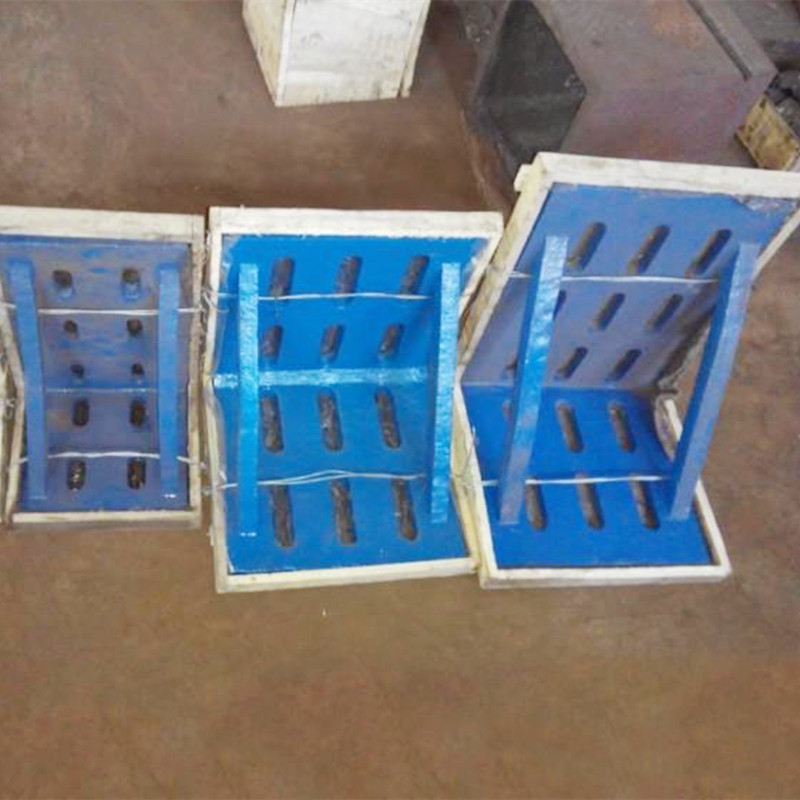
Understanding the Metal Angle Ruler A Versatile Tool for Precision Measurement The metal angle ruler, also known as a combination square or a triangular ruler, is an essential tool in various fields, including carpentry, metalworking, and drafting. Its design allows for precise measurements and angles, making it invaluable for professionals and DIY enthusiasts alike. This article explores the features, uses, and advantages of the metal angle ruler, highlighting why it is a staple in the toolbox of anyone who values accuracy in their work. The metal angle ruler typically consists of a sturdy metal body that resists wear and tear, ensuring longevity and reliability. Its primary feature is the right-angle edge, which allows users to create or check 90-degree angles with ease. Many models also include 45-degree markings, making it simple to create miter cuts. The graduated scale along the edges provides both inch and metric measurements, accommodating a variety of projects and user preferences. Some advanced versions even have built-in protractors for measuring and marking angles more comprehensively. One of the most common uses of the metal angle ruler is in carpentry. Carpenters rely on this tool to ensure that their cuts are precise and that their structures are square . When framing walls, for instance, a metal angle ruler can help verify that the corners are correctly aligned, preventing costly mistakes later on. Additionally, when working with wood or metal sheets, the ability to mark straight lines and angles quickly can significantly enhance overall productivity. metal angle ruler In the realm of drafting and engineering, accuracy is paramount. The metal angle ruler serves as a reliable guide for sketching plans and blueprints. Professionals can use it to draw straight lines, set angles, and create detailed designs that require precision. Its ability to measure both acute and obtuse angles makes it a versatile tool for all types of geometric drawings. Moreover, the reflective nature of metal allows users to see their marking clearly, minimizing errors caused by misaligned tools. The durability of the metal angle ruler is another significant advantage. Unlike plastic or wooden versions, metal does not warp or suffer from wear as quickly, ensuring that it remains calibrated over time. This characteristic is especially crucial in industries where repeatability and precision are essential, such as machining or architectural design. Investing in a high-quality metal angle ruler can pay off in the long run, as it will withstand the rigors of daily use without compromising accuracy. Maintenance of the metal angle ruler is relatively straightforward. Regular cleaning to remove dust and debris, combined with periodic inspections for any signs of damage or wear, will keep the tool in optimal condition. Storing it in a protective case can further enhance its lifespan, ensuring it remains a reliable companion for years to come. In conclusion, the metal angle ruler is an indispensable tool that offers versatility and precision across various disciplines. Its robust construction, ease of use, and accuracy make it a favorite among professionals and hobbyists alike. Whether you’re constructing a new building, embarking on a creative project, or simply need to ensure your measurements are spot-on, the metal angle ruler is a reliable ally that will help you achieve your goals with confidence. Embracing this tool in your workflow can lead to better results and enhanced satisfaction in your craft.
-

High quality industrial productsagement

High quality industrial products
View Details -

Meet the diverse needs of customers

Meet the diverse needs of customers
View Details -

Strict quality control

Strict quality control
View Details -

Top raw materials

Top raw materials
View Details -

Trusted supplier

Trusted supplier
View Details
Our application

news and information
Vanne à boule Fisher pour des applications industrielles et de contrôle de flux
La vanne à globe Fisher un choix stratégique pour l'industrie Dans un monde où l’efficacité et la f
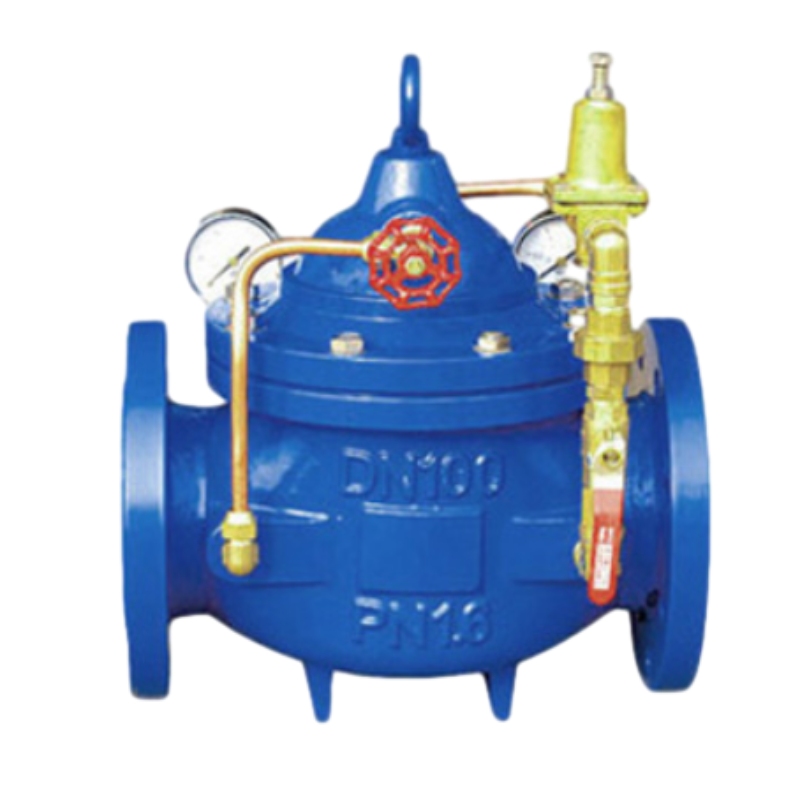
Vanne papillon à 4 % pour des applications industrielles et de contrôle de fluides efficaces
La Robinetterie Le Cas de La Papillon à Quatre Pourcents Les vannes sont des composants essentiels
Water Pressure Regulation with Reliable Check Valves for Optimal System Performance
Understanding Water Pressure Check Valves Water pressure check valves are vital components in plumbi
 English